
Understanding the Fundamentals of Sports Broadcasting
What is Sports Broadcasting?
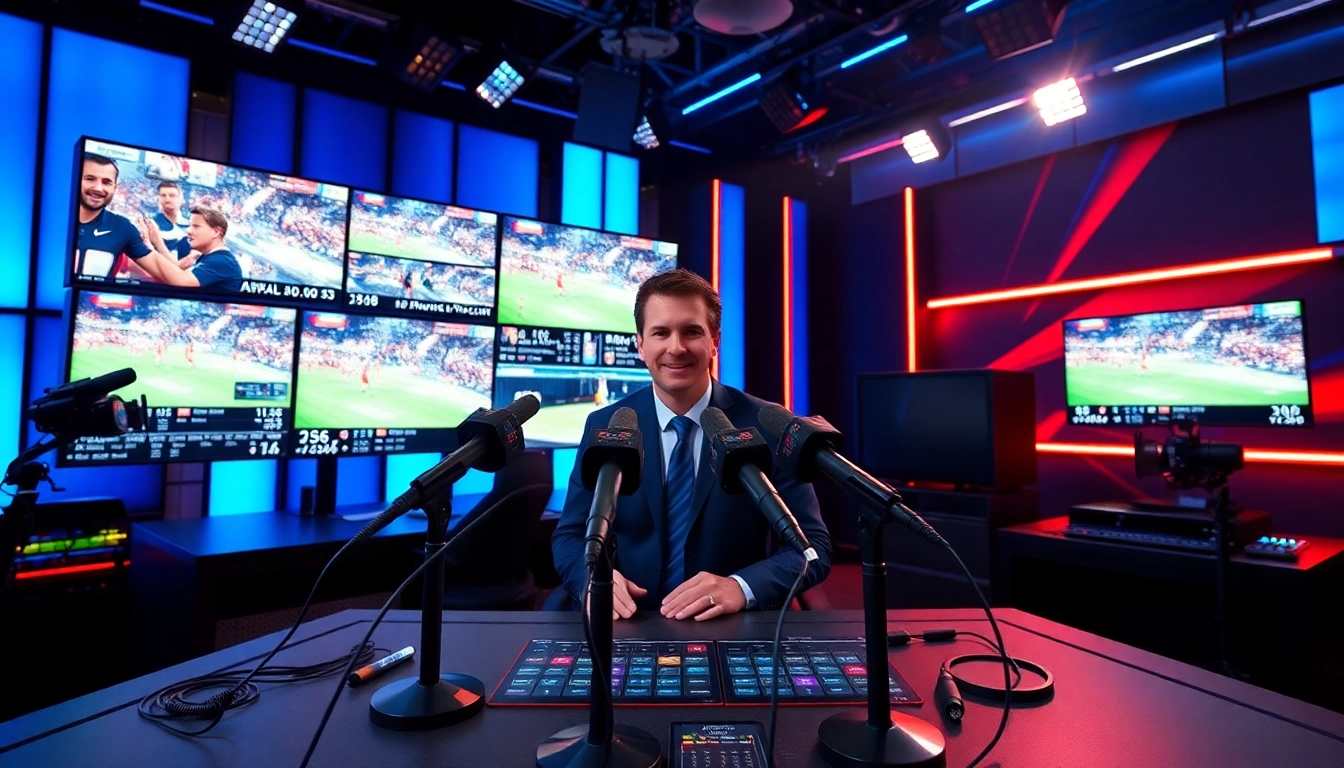
Sports Broadcasting refers to the transmission of sports-related events, commentary, and programming via various media, including television, radio, and online platforms. This field has evolved significantly over the years, with its reach expanding globally. It's not just about airing events; it's about storytelling, creating experiences, and connecting with fans. For instance, the Sports Broadcasting industry plays a crucial role in shaping how audiences perceive and engage with sports.
Key Roles in Sports Broadcasting
The sports broadcasting landscape comprises several essential roles, including hosts, analysts, commentators, and production staff. Each group contributes uniquely to presenting sporting events effectively. Hosts bridge the audience and the content, providing insights and guidance throughout the broadcast. Analysts break down performances, while commentators bring live action to life with dynamic storytelling. Moreover, behind-the-scenes professionals manage technical aspects, ensuring seamless broadcasts.
Evolution of Sports Broadcasting
Sports Broadcasting has undergone a remarkable transformation since its inception. The first radio broadcasts occurred in the 1920s, leading to televised broadcasts in the 1930s. The development of satellite and cable television in the late 20th century further revolutionized broadcasting capabilities. Today, digital platforms and streaming services are at the forefront, allowing for diverse viewing options that cater to global audiences. This evolution continues as technology advances.
Technical Aspects of Sports Broadcasting
Equipment Used in Sports Broadcasting
Understanding the equipment used in sports broadcasting is fundamental for anyone entering the field. Key tools include cameras, microphones, and mixing consoles. High-definition cameras capture every moment in detail, while lapel and boom microphones ensure clear audio. Additionally, replay technology enhances viewer experience by allowing audiences to witness key moments from multiple angles. This blend of equipment is essential for producing engaging broadcasts.
Broadcasting Software and Tools
Broadcasting software plays a pivotal role in the production process. Programs like OBS Studio and Wirecast streamline live streaming, offering integrated graphics, transitions, and data overlays. These tools enable broadcasters to enhance storytelling and viewer engagement. Furthermore, automation software helps manage broadcast schedules and ad placements, ensuring that content flows smoothly and remains captivating throughout the event.
Streaming Technologies in Sports Broadcasting
As technology advances, streaming has become a primary method for delivering sports content. Platforms utilize Content Delivery Networks (CDN) to minimize latency, ensuring that the broadcast reaches viewers promptly. Adaptive bitrate streaming adjusts video quality based on user bandwidth, enhancing the viewing experience regardless of connection strength. This technology has been a game-changer for fans wanting to watch live sports on various devices.
Content Creation Strategies for Sports Broadcasting
Creating Compelling Narratives
In sports broadcasting, storytelling creates an emotional connection with viewers. Effective narratives include player backstories, team rivalries, and season highlights. Broadcasters must weave these elements into their commentary to draw audiences in and make the viewing experience more relatable. Engaging narratives keep audiences invested and make the sport more than just a game.
Visual Storytelling in Sports Broadcasting
Visual storytelling is a powerful tool for enhancing sports broadcasts. Utilizing graphics, animations, and slow-motion replays can convey information dynamically, helping viewers understand the game's nuances. For example, displaying player statistics or team formations enhances the audience's comprehension of game strategies and player performances. This approach not only informs but also entertains, providing a richer viewing experience.
Engaging with Audiences through Social Media
Social media is a vital component in modern sports broadcasting, enabling real-time interaction between broadcasters and audiences. Platforms like Twitter, Instagram, and Facebook allow fans to share their thoughts, engaging with broadcasts and providing feedback. Broadcasters who leverage social media effectively can create a community around their content, fostering loyalty and deepening audience connections.
Navigating Legalities in Sports Broadcasting
Understanding Broadcast Rights
Broadcast rights determine how and where sports events can be aired. These rights can be complex, as they vary by event and region. Broadcasters must negotiate contracts with sports leagues and teams to secure the necessary permissions. Understanding these contracts is crucial for operating within legal boundaries and optimizing viewing opportunities while respecting content ownership.
Content Licensing and Regulations
Content licensing involves obtaining permissions to use various media assets (like logos, player images, etc.) within broadcasts. Regulations governing this area are strict and vary by jurisdiction. Organizations must ensure compliance to avoid legal repercussions while preserving the integrity and branding of the sports content they broadcast.
Dealing with Copyright Issues
Copyright issues are a concern for many broadcasters. Unauthorized use of copyrighted material can lead to costly disputes. To navigate these challenges, sports broadcasters must understand copyright laws and ensure all content is properly licensed. This diligence protects organizations from potential legal action while fostering ethical broadcasting practices.
Future Trends in Sports Broadcasting
Impact of AI and Technology on Sports Broadcasting
Artificial Intelligence (AI) is revolutionizing sports broadcasting by automating content generation, enhancing data analytics, and improving camera tracking. AI can analyze player movements and provide insights, helping broadcasters create more informed narratives. As technology continues to evolve, the integration of AI will lead to richer, more immersive viewing experiences that cater to diverse audience preferences.
Changes in Viewer Consumption Patterns
Viewer consumption patterns are shifting, with many audiences moving towards on-demand and mobile viewing. Sports broadcasters must adapt by providing flexible access through apps and websites that allow users to watch events anytime, anywhere. This flexibility is vital in attracting younger viewers accustomed to digital consumption, ensuring audiences remain engaged.
Innovative Approaches to Sports Broadcasting
Innovative approaches in sports broadcasting include interactive broadcasts, virtual reality (VR), and augmented reality (AR) experiences. These advancements allow viewers to engage with content in unique ways, such as participating in broadcasts or experiencing games through immersive environments. By embracing these technologies, broadcasters can create memorable experiences that capture the hearts and minds of their audiences.
Frequently Asked Questions
What is the role of a sports broadcaster?
A sports broadcaster provides commentary, analysis, and coverage of sporting events, connecting audiences with the action through engaging narratives and expert insights.
How have streaming services affected sports broadcasting?
Streaming services have changed how audiences consume sports by offering on-demand viewing options and increasing accessibility across various devices, enhancing user experience.
What technologies are essential for sports broadcasting?
Key technologies include high-definition cameras, broadcasting software, audio equipment, and streaming platforms, which work together to create high-quality broadcasts.
What legal considerations are involved in sports broadcasting?
Legal considerations include understanding broadcast rights, content licensing, and copyright laws to ensure the broadcast complies with regulations and avoids disputes.
What are the future trends in sports broadcasting?
Future trends include the integration of AI, shifts in viewer consumption patterns towards digital and on-demand content, and the use of AR and VR for immersive experiences.